Frequently Asked Questions Kenya

Frequently Asked Questions Kenya

KENYA: BIRTHPLACE OF SAFARI

With the famous Big Five and the spectacular
Great Migration in the Masai Mara Game Reserve, Kenya has always been
one of the world’s most famous and popular safari destinations.
The romantic notion of spotting wildlife on an outstretched savannah has attracted millions of travellers ever since colonial times. Like Karen Blixen: she captured the breathtaking landscapes and adventures in nature reserves full of wild animals in her book “Out of Africa” in 1937 – a fascinating read… or watch if you prefer the movie.

Countless experiences

Next to
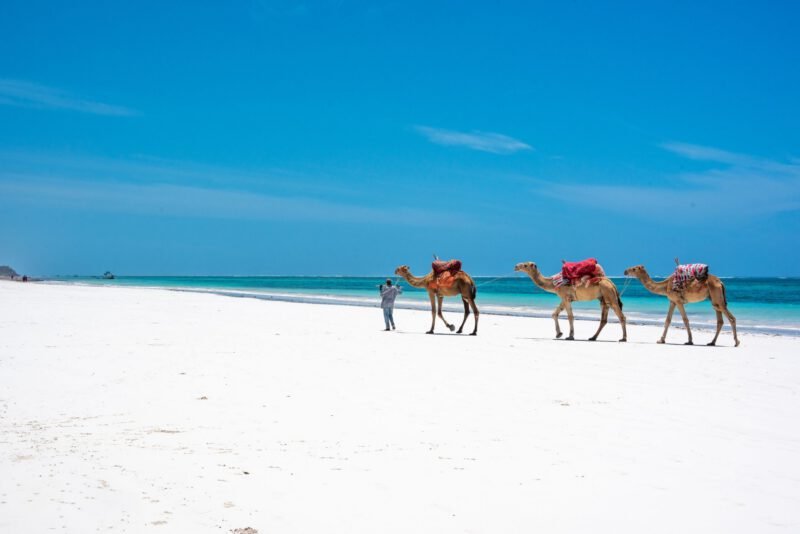
safaris in a car, on foot or by boat, bike or horse, you can enjoy many different activities in Kenya. How about feeling the hustle and bustle of Mombasa and Nairobi? Or relaxing on the white, tropical beaches of Diani Beach or Chale Island? Or maybe you want to feel the ultimate adrenaline rush while diving with whale sharks in the Indian Ocean? Kenya has all the ingredients for a holiday that makes your heart skip a beat… or two… or three!
What your safari day could look like

You wake up (early) to the sounds of the savannah. After a yummy breakfast, it’s time to jump into your safari jeep and head out with your personal guide and driver. A cup of coffee is enough to get you going and you want to enjoy breakfast after your first adventure of the day? Sure, no problem! You can also do it the other way round
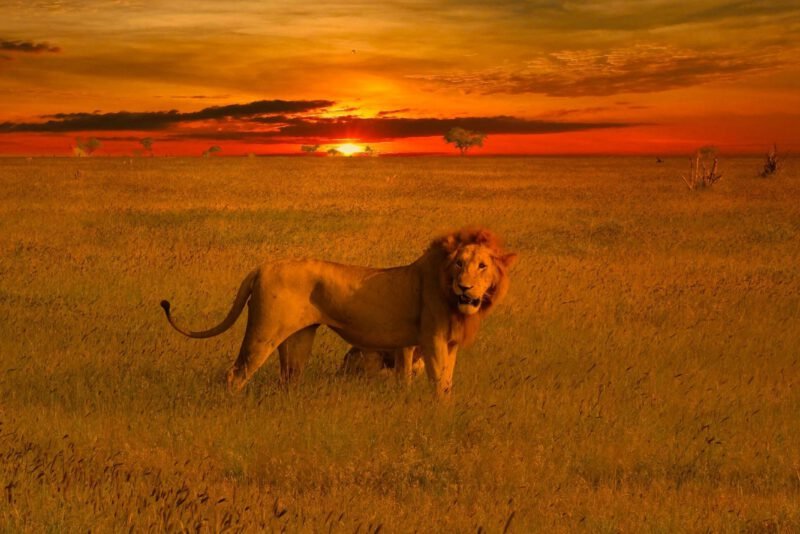
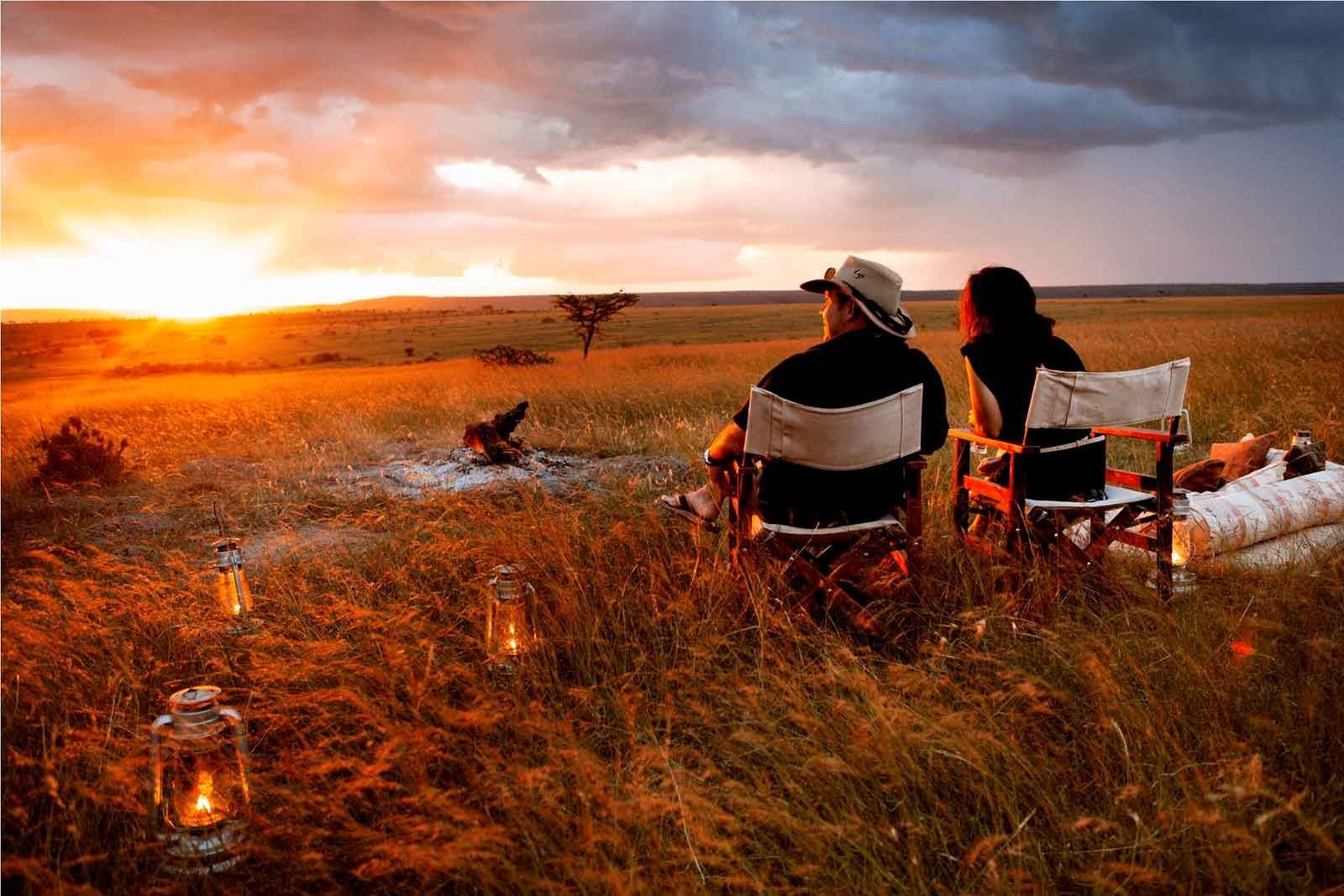
😉 Just after sunrise the animals are most active, though – so look forward to seeing many of your all-time-favourites IRL. After lunch you can either go back to your lodge to relax or keep exploring with a picnic along the way. You end this adventure with a typical sundowner while watching the romantic sunset. After dinner, simply kick back, reminisce about the day and get some sleep – because the next morning it’s time for the sequel.
THIS IS KENYA

Kenya is a paradise for nature lovers, culture enthusiasts and wildlife passionistas. Safaris at the foot of Mount Kilimanjaro, visiting a Maasai village, exploring Mombasa and Nairobi and relaxing at snow-white beaches at the Indian Ocean – Kenya leaves no wish unfulfilled.

Quick facts about Kenya

  • Population: 54 million
  • Languages: English, Swahili and some tribal languages
  • Capital: Nairobi
  • Currency: Kenyan Shilling (KSH)
  • National Parks: 24

EXPERIENCE KENYA

Why a safari with Africa Safari Trips?

After reading all this (well done btw), you might say, “Well that’s all great, but why should we travel with you guys?” That’s why!

🦁 We’re 100% specialised in Kenya.

🐘 We turn your wishes into your dream holiday, private safari jeep included.

🐃 Our safari guides are world-class.

🐆 The best experience meets the best price.

🦏 We’ve already fulfilled
thousands of dreams – now we want to fulfil yours.

We would understand, though, if you still have some more questions. Have a look at our FAQ and if you cannot find the answers, feel free to get in touch.

From
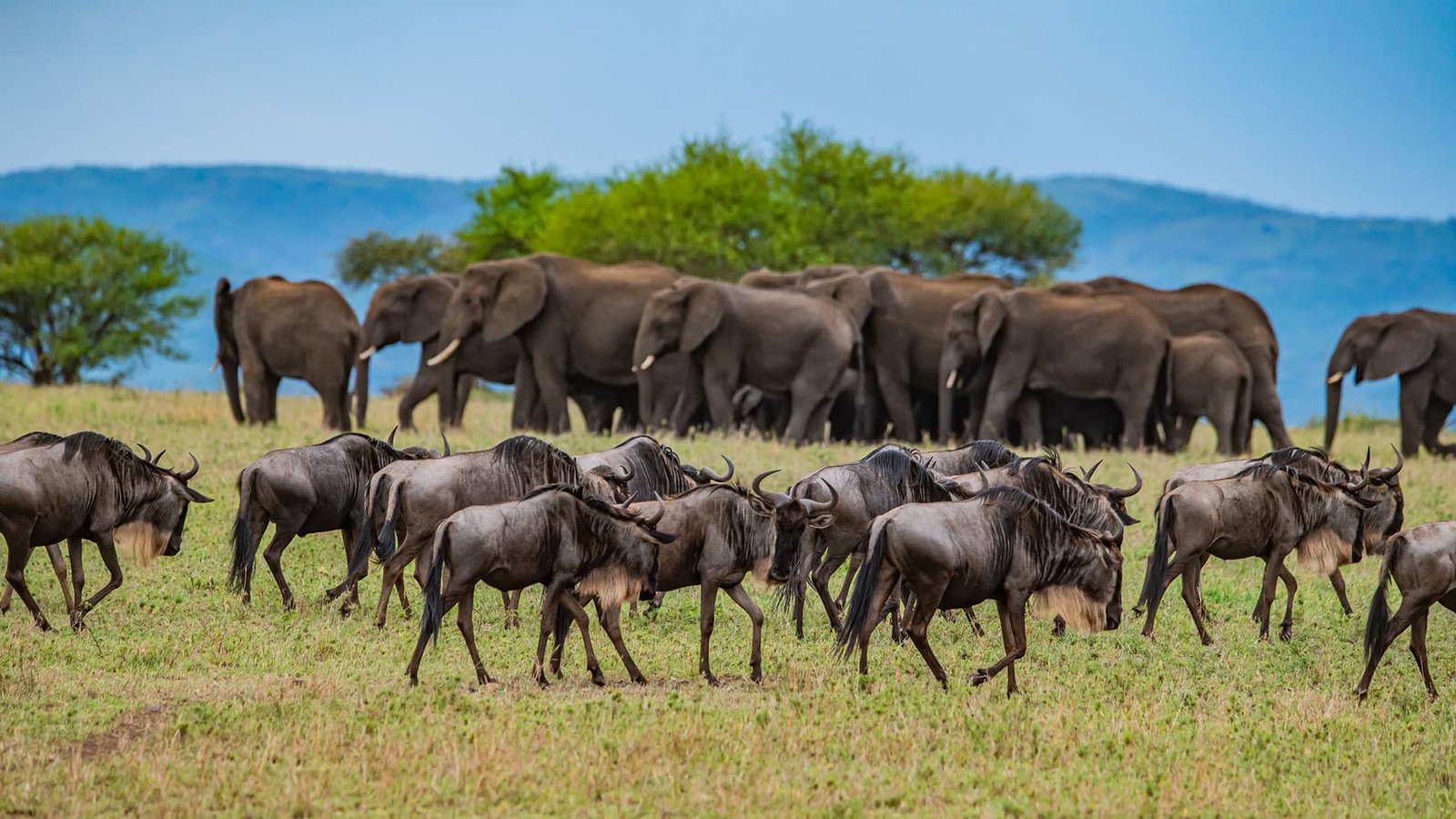
June to October the weather is generally dry, sometimes even very hot, most trails are open and the Great Migration takes place in the Masai Mara. Since the water sources for animals tend to dry up and become fewer, they flock to the remaining waterholes – animal spotting made easy 😉 The downside: apart from June it’s high season with high season prices and more tourists. Especially the Masai Mara can get pretty busy due to the wildebeest and zebra migration.

From
March to May you won’t see many travellers, since it can rain big cats and wild dogs in these months turning safari trails into muddy bogs. From
November to February it still might rain occasionally, but if you don’t mind getting a little wet here and there, you can definitely travel to Kenya during that time. The animals are well fed, landscapes turn green and migrating birds arrive. Also, the prices are much lower and there are fewer visitors!

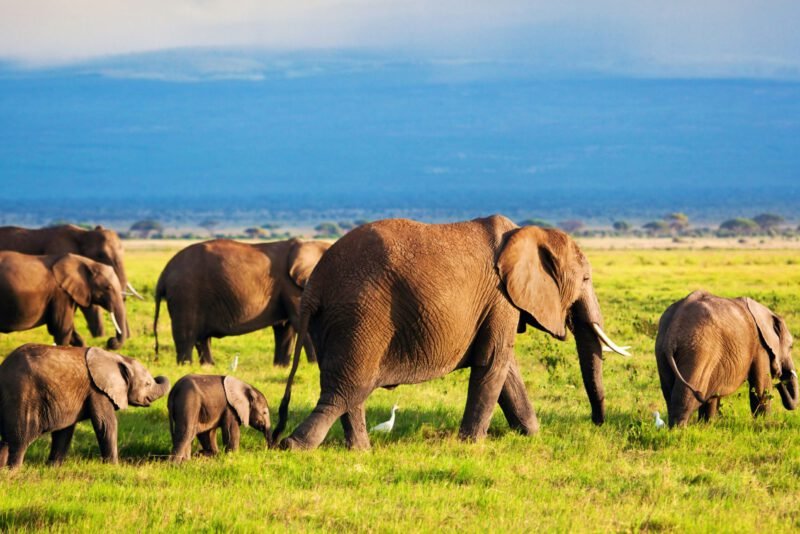
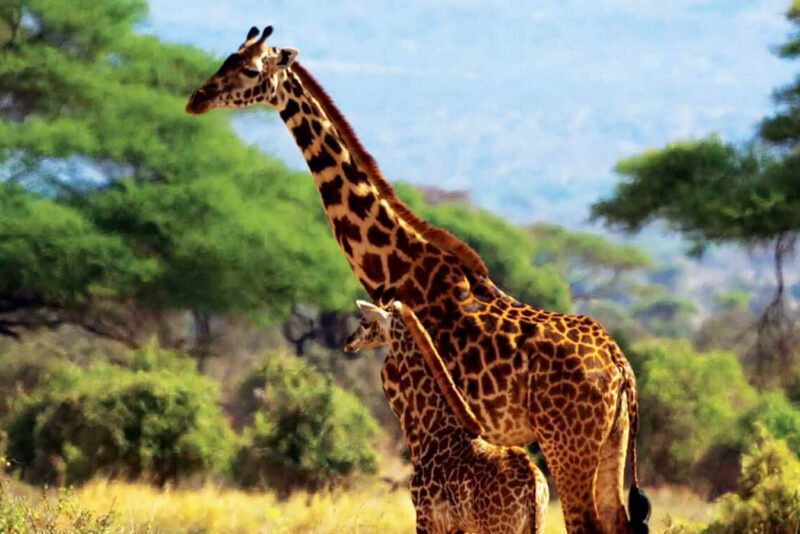
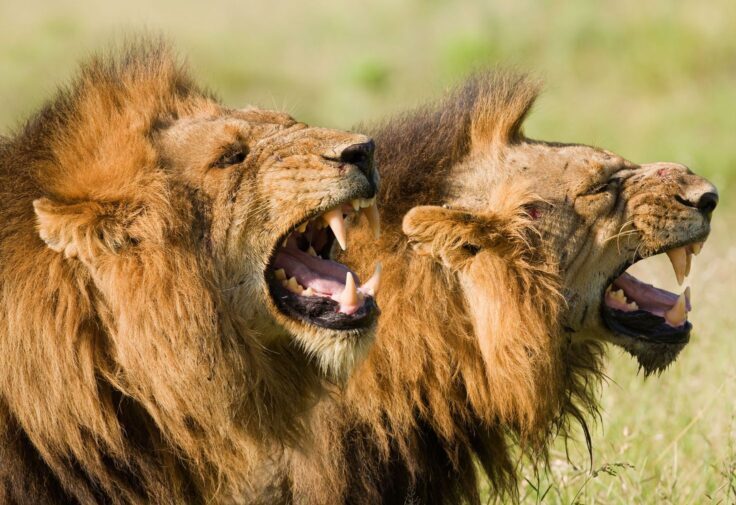
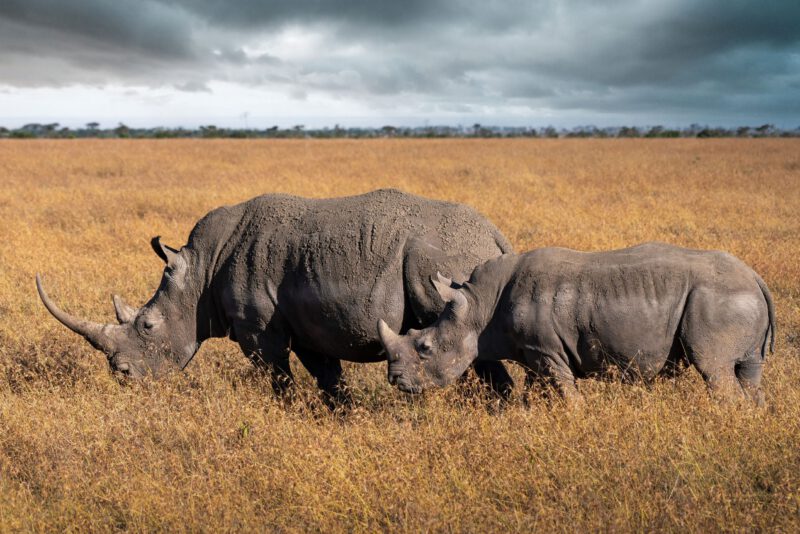
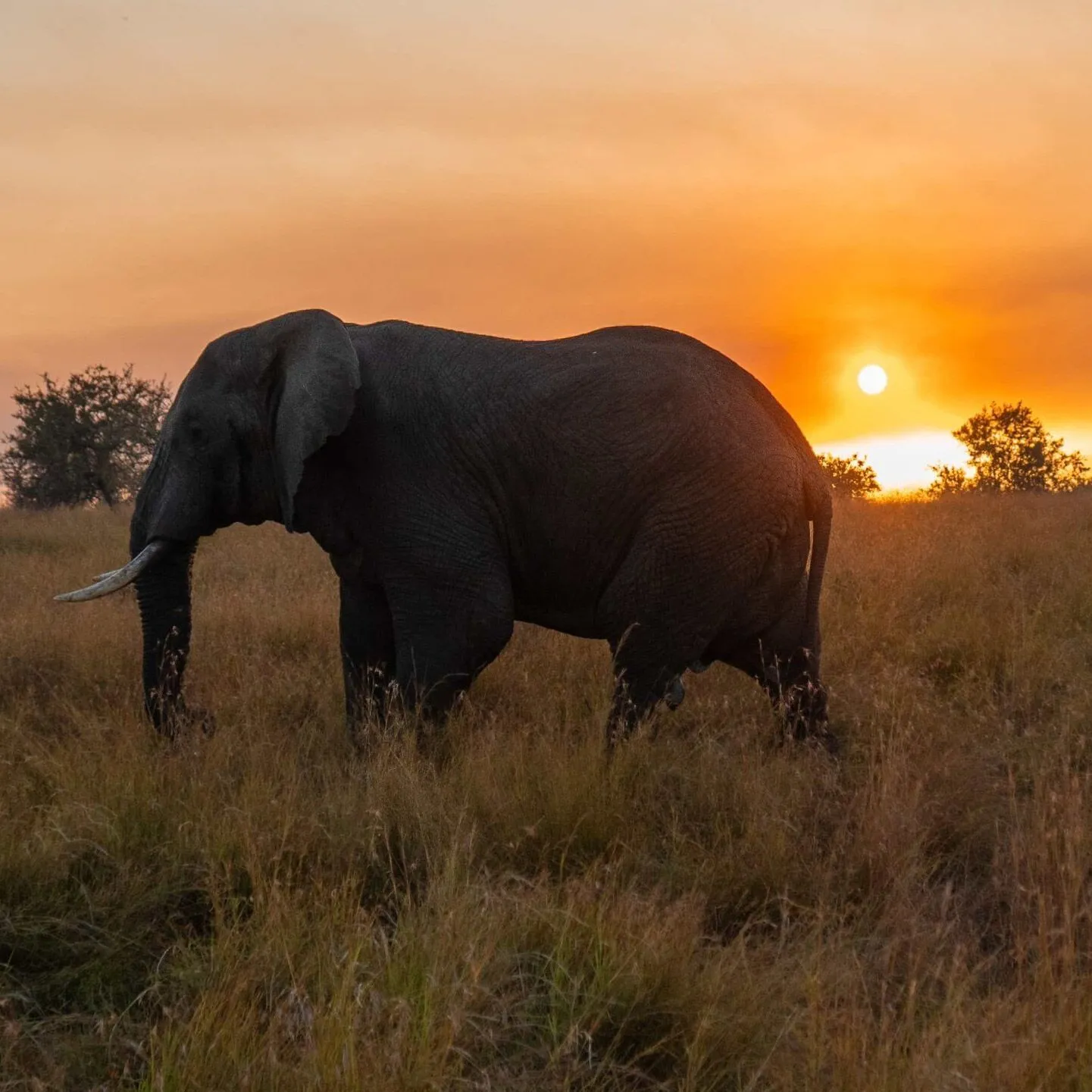
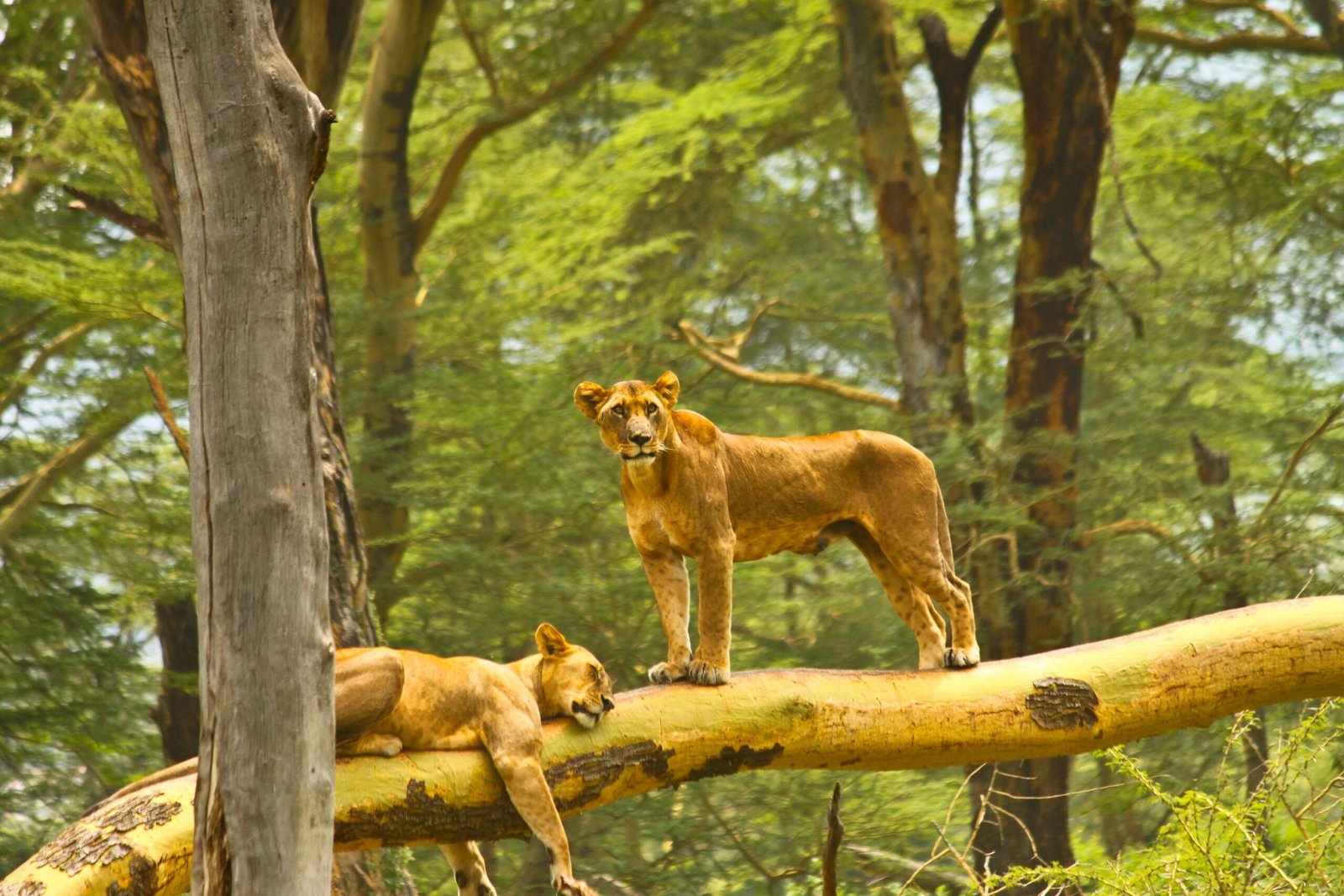
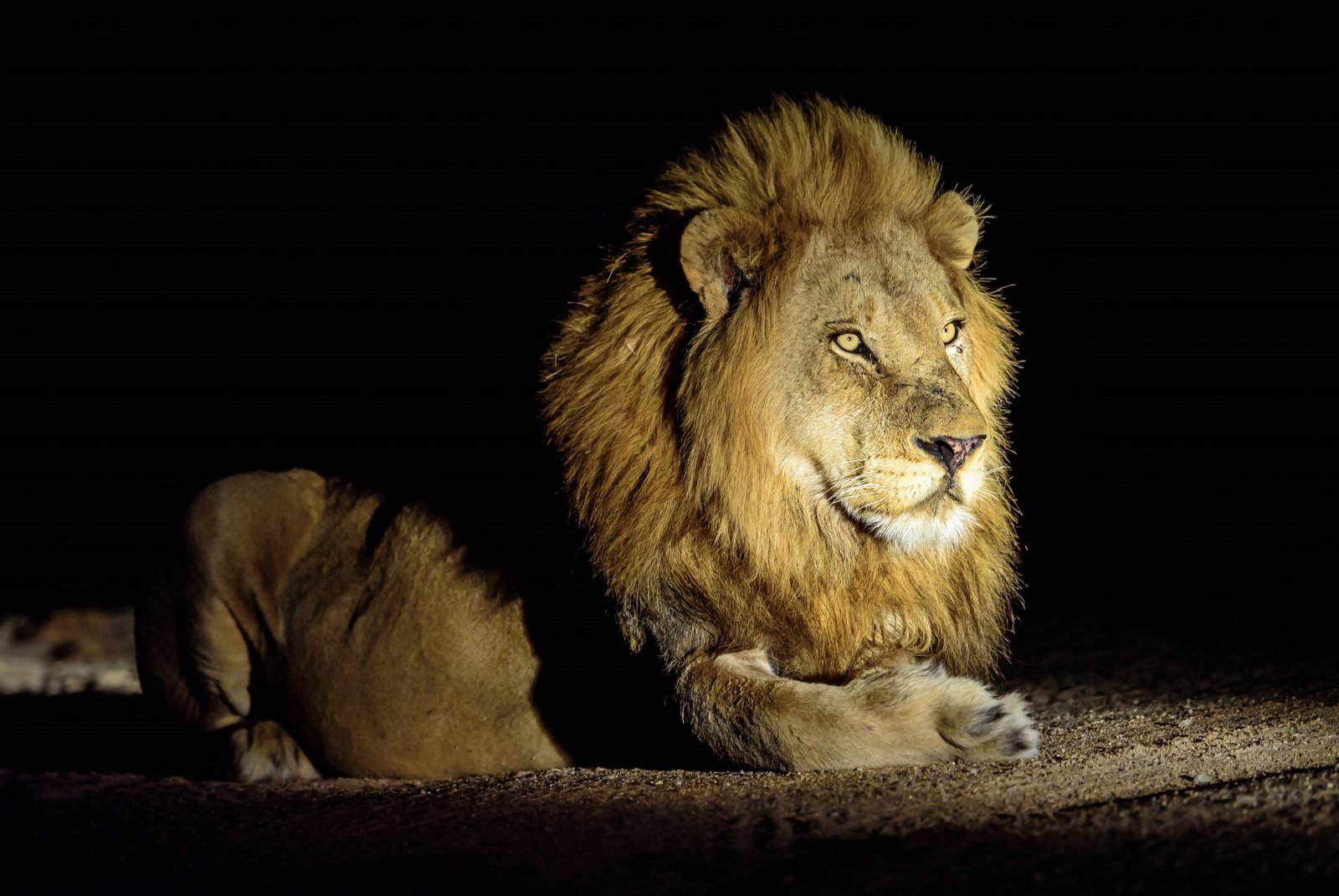
The biggest highlight, and one of the “Seven Wonders of the Natural World” we’d like to add, is of course the Great Migration in the Masai Mara. However, with a great number of national parks and game reserves, Kenyan safaris give goose bumps all year round. With healthy populations of elephants, buffalos, lions, leopards and rhinos (Big Five: check!), almost every African animal you know from documentaries and a fascinating birdlife, Kenya is a mecca for animal lovers.

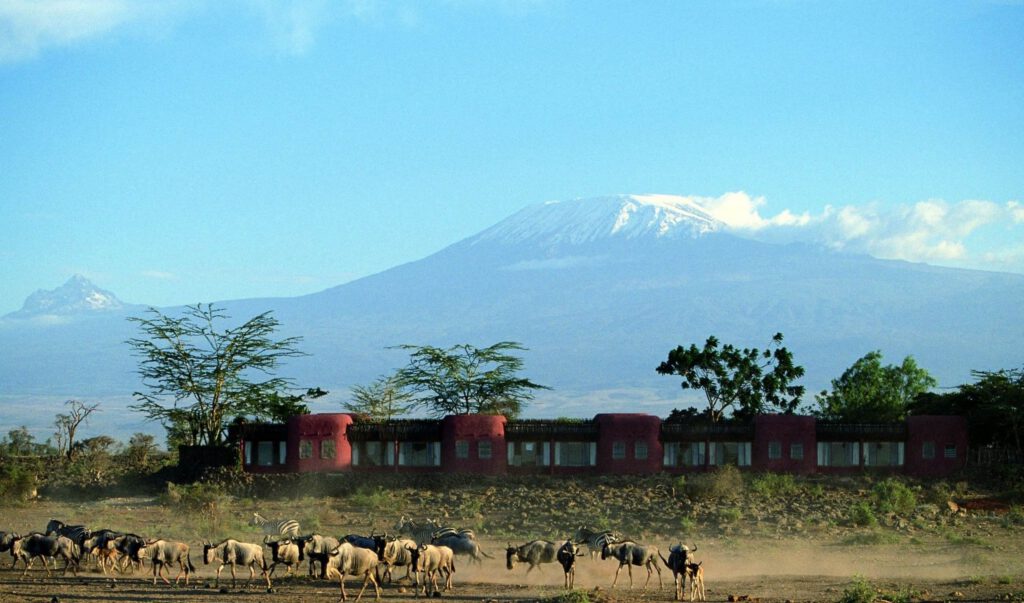
Moreover, the sheer number of habitats make for wonderful scenery: think endless horizons in the Masai Mara, tropical forests in Kakamega, starkly beautiful parks in the north of the country, peerless Kilimanjaro views from Amboseli and pristine islands aka paradise. During various activities at land and sea you can discover all of this for yourself.

Kenya has more variety than most African safari destinations, with excellent options at the lower end of the pricing scale and of course on the higher end with luxury Kenya safaris. So it all depends on what sort of safari you want and can afford. The price for your safari also depends on the season you want to travel in and on how you wish to get from one park to the next. Road travel is the easy choice and relatively cheap. Air transfer is expensive, but reduces the amount of time you spend on the road and maximizes the amount of time in the parks themselves.

The biggest price differences can be found in the accommodation. But no matter if you stay at a tented camp or a luxurious lodge, you can always look forward to comfort, quality and an authentic atmosphere. And as mentioned earlier, you can always mix and match! When booking with Africa Safari Trips, your Kenya safari package includes accommodation, food, national park fees and the game drives – just tell us where you want to go, where you want to stay and what you want to do and we’ll send you a free and non-binding quote.

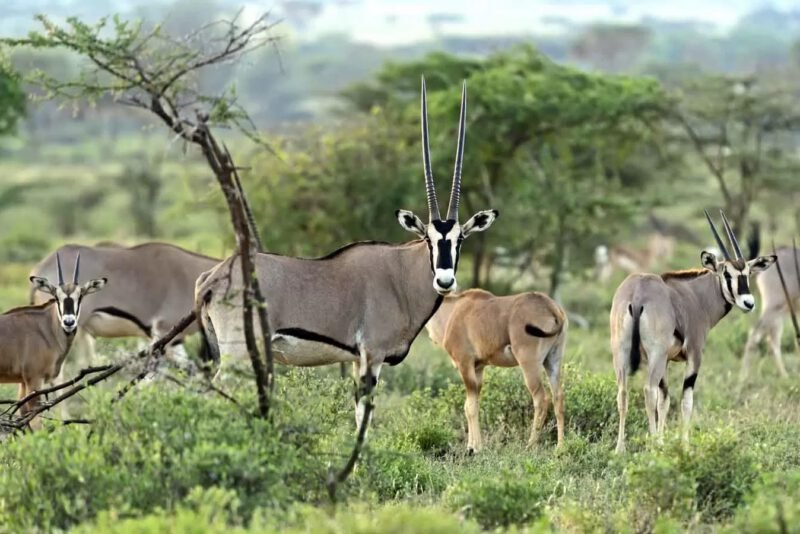
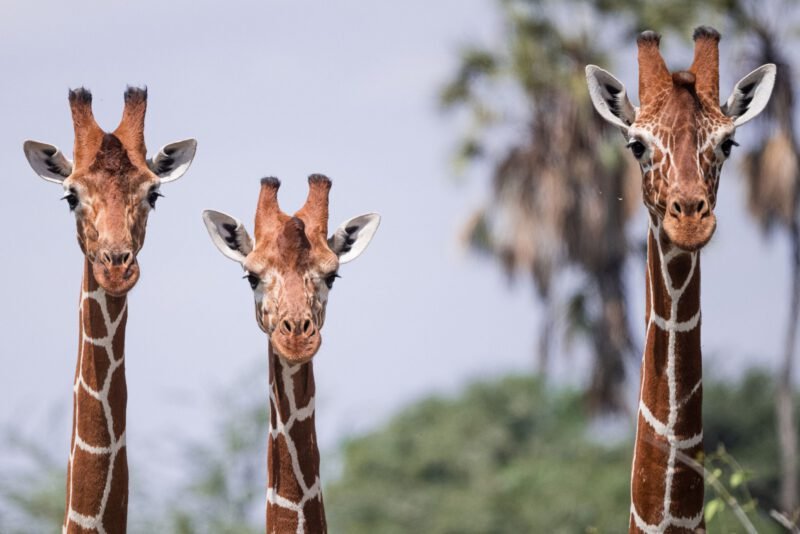
It varies from park to park. Most of the more popular parks – Amboseli, Masai Mara, Samburu and Lake Nakuru – have fabulous wildlife-watching opportunities and are home to almost all of the African animals you’d expect. You have specific animals you’ve always wanted to see? Tell your driver! Even though we cannot guarantee that you can actually take a picture of them, our guides know the parks inside out and often know their favourite spots.

Other parks are more specialised: Kakamega is a paradise for birdwatchers and primate lovers, the Saiwa Swamp is home to the sitatunga, a swamp-dwelling antilope. These parks allow you to tick off hard-to-find species of your list, usually without crowds of tourists surrounding you. A more exclusive Kenyan safari experience is for example possible in the conservancies of the Laikipia district. Here you pay more, but (with the exception of Ol’ Pejeta Conservancy) crowds are non-existent and wildlife watching is excellent. As most of these conservancies are former farmlands, you can get off-road as well, meaning that you’ll get a lot closer to the animals than in a national park.

For the most part, a Kenya safari is safe, but there are some important things to know. Nairobi and, to a lesser extent some other Kenyan cities, have a reputation for violent crime. Most people visiting these cities hardly notice this, but it does happen often enough. Therefore: always be careful and follow local advice when it comes to your safety. You can minimize the risk by spending little time in Nairobi and other cities and by never travelling at night.

The danger from wild animals is minimal though. Most Kenyan safari trips and operators have excellent safety records, and you should be fine if you follow the safety briefings and instructions from your private guide.

As a general rule you can say: the higher your Kenya safari prices, the better your accommodation. At the lower end, campsites are usually basic, sometimes crowded and not always in the best locations within the national parks or reserves. They are, however, well priced and have the basics like showers and toilets.

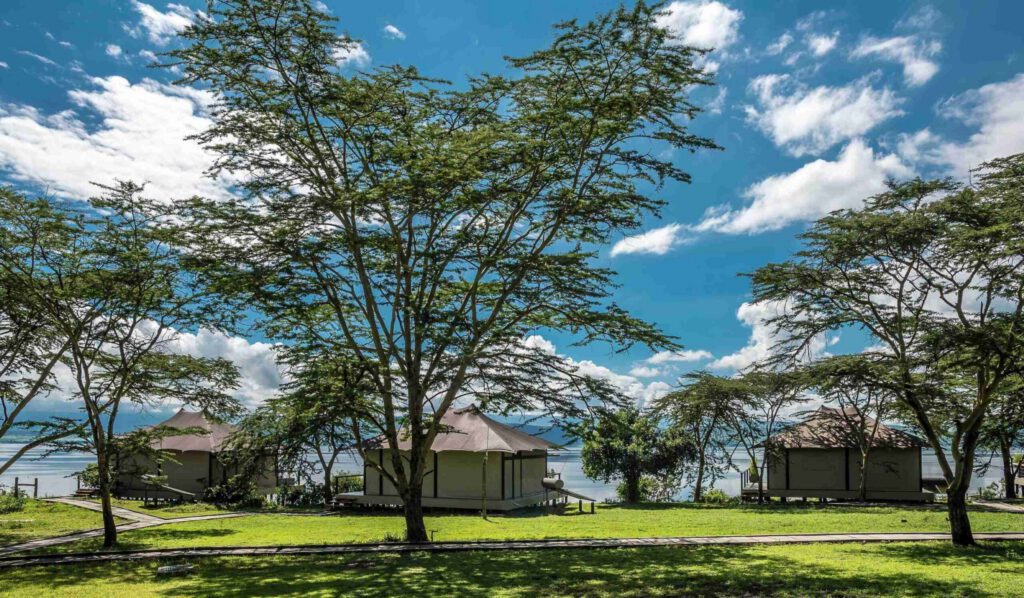
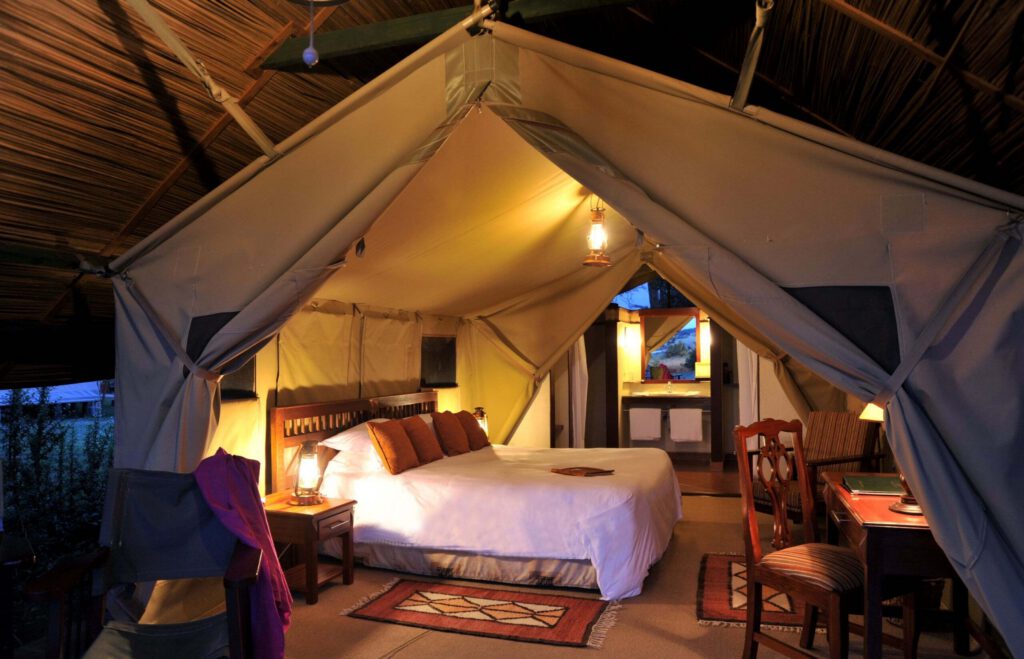
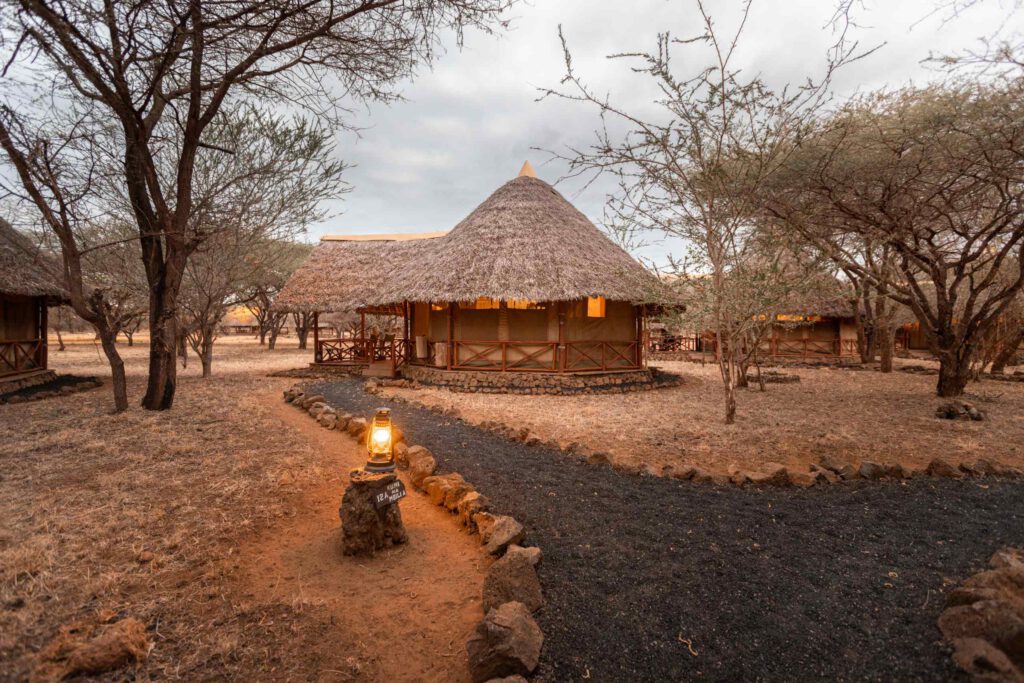
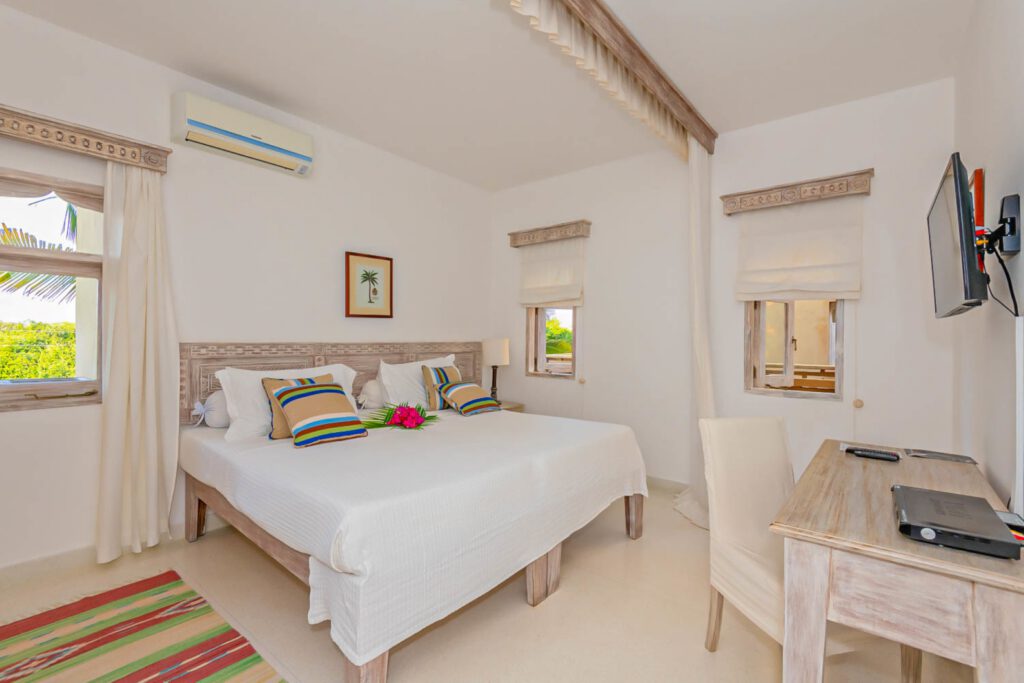
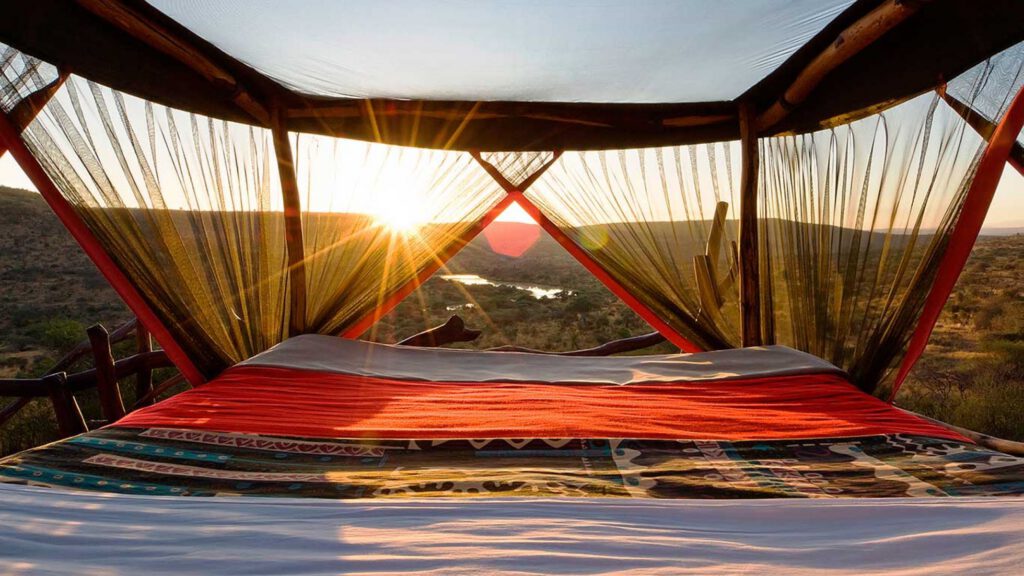
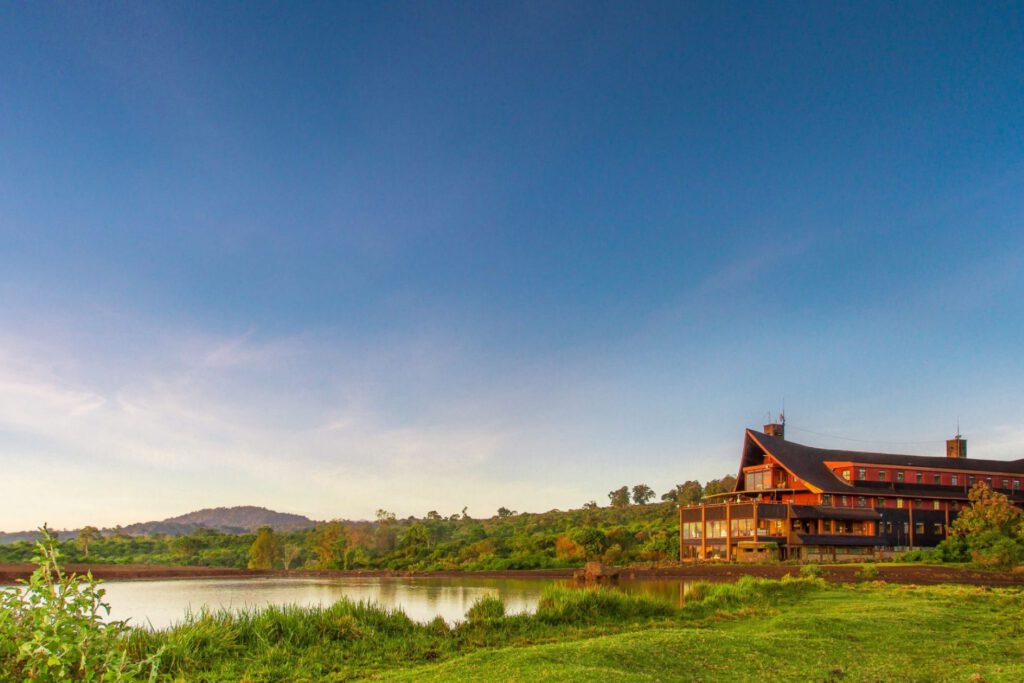
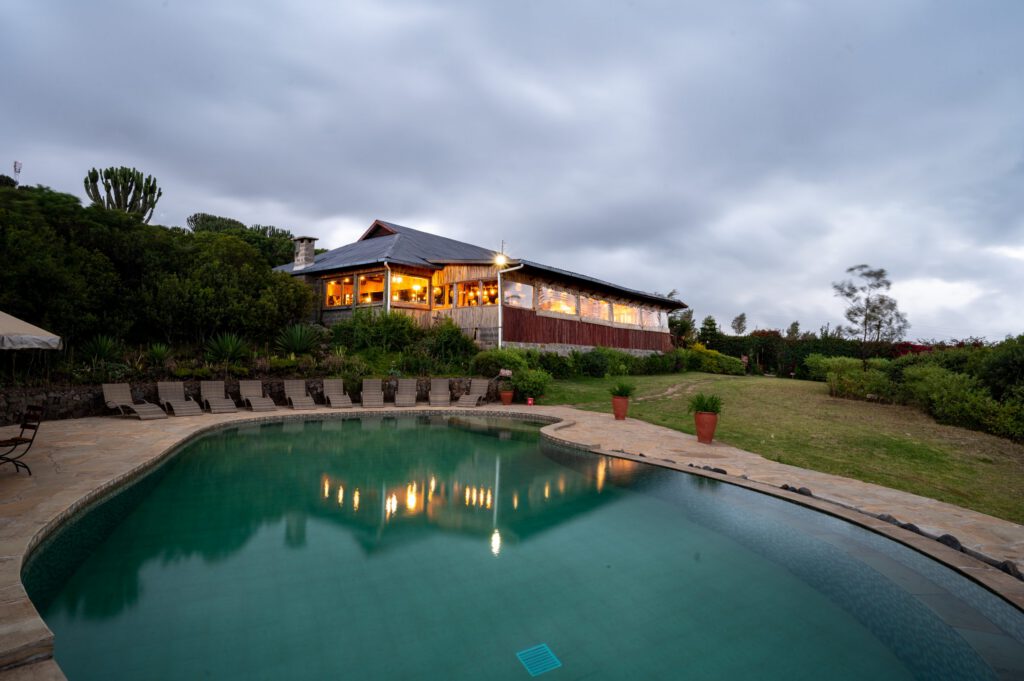
Lodges are the mainstays of the Kenya safari scene. Many of them are located really well within the reserves and national parks and welcome you with a cozy and authentic atmosphere. In tented camps, including mobile camps, you’ll sleep in large, walk-in tents – they’re like lodge rooms in terms of size but with canvas for walls and floor. The cool thing about them: you can hear the sounds of the African night. Most lodge rooms and tents of this kind have comfortable (not camp) beds, sometimes a desk and usually a private bathroom. Some might have an outdoor shower without a roof but of course with walls, and others even have a bathtub from where you can watch animals at the waterhole in front of you.

No matter the luxury-level of the accommodation: we always make sure that any lodge or any camp we work with has everything you need for a comfortable and unforgettable stay.